MASTER DIGITAL MARKETING WITH AI POWER

Learn Digital Marketing. Build Practical Skills. Shape Your Future.

Digital Era is a practical digital marketing institute where you learn more than just theory. Get hands-on training, real-world projects, an up-to-date syllabus, and AI-powered learning designed around today’s digital industry.Learn SEO, Social Media Marketing, Meta Ads, Google Ads, Content Marketing, Analytics, and AI tools to build practical skills and confidently apply digital marketing in the real world.

Our Branches: Kothrud, Karve Nagar (Pune)
Master AI Tools Like ChatGPT, DeepSeek, Microsoft Copilot & 50+ Modules.

100% Practical Training & Live Client Project

Simulated Campaignes & Real-World Case Studies

15+ Certification Align With Google & Hubspot

2.5 Month Duration (Online & Classroom)

5000+

Students Trained

100 %

Placements

100 %

Practical Implementation

900+

Started Freelancing

Digital Era For

Best Digital

Course

In Pune

Pune Digital Marketing Training Institute (Digital Era) is the No. 1 rated digital marketing institute in Pune. We offer industry-focused, hands-on training programs designed to transform beginners into job-ready digital marketing professionals.
Our Comprehensive Curriculum Covers SEO, SEM, Social Media Marketing, Google Ads, Meta Ads, Content Marketing, Email Marketing, Analytics, and More - all taught by industry experts with real world experience.
Students collaborating in a classroom setting in Montevideo, Uruguay.

Why Choose Us For Digital Marketing Course In Pune

2026 Updated Syllabus & AI

100 % Practical Training

Creating Portfolio Of Every Student

Classroom & Online Training

15+ International Certification

Startup & Freelancing Guidance

Work On Live Client Projects

100% job Assurance For Jobseeker

50+ Marketing & AI Tools

AI Marketing & Prompting

Interview Prepration

Affordable Fees

Payment Instalment Option

1 On 1 Personal Mentorship

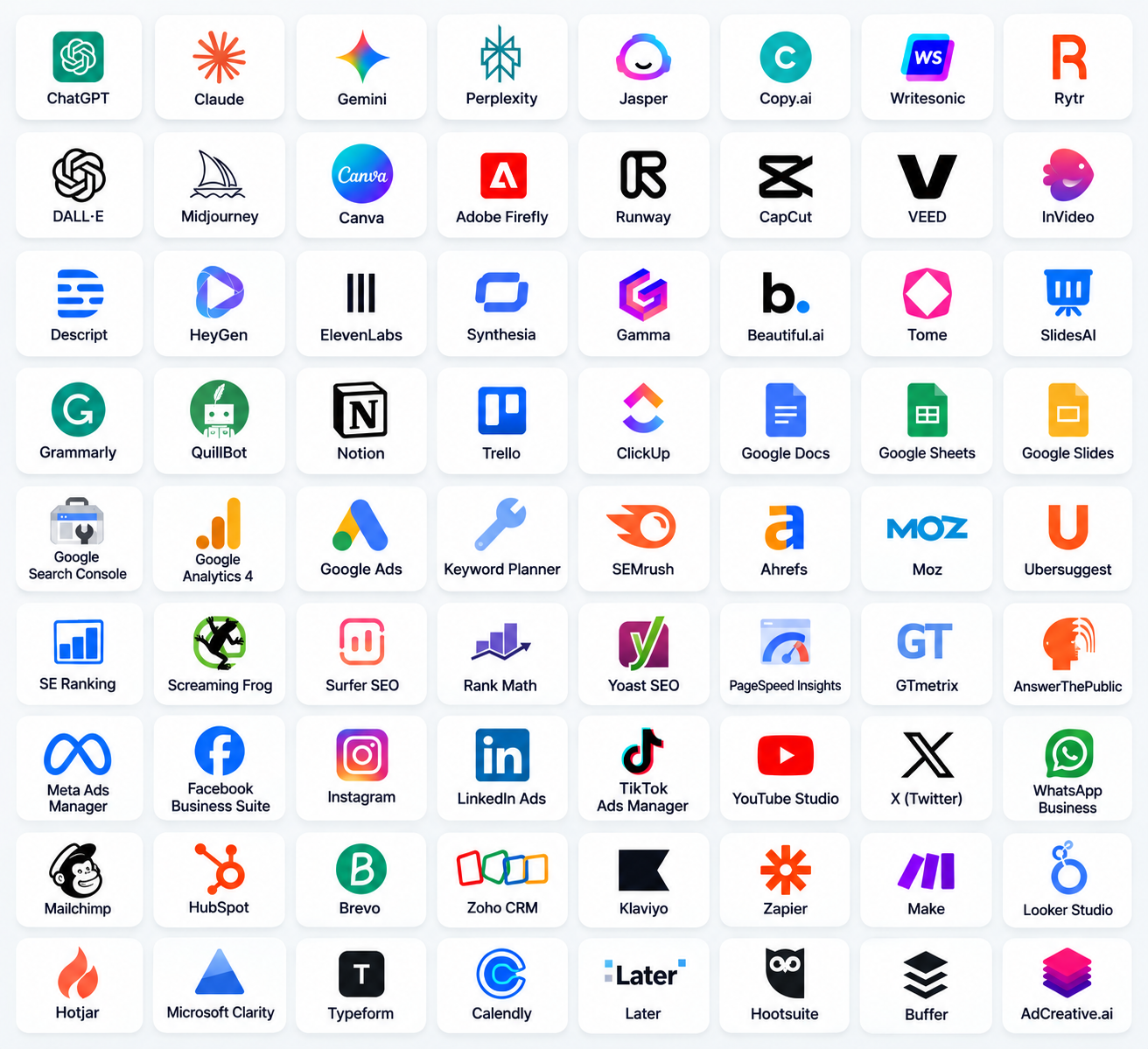
Master 50+ Gen-AI & Digital Marketing Tools to Work Smarter & Faster

Just Enrolling in a Digital Marketing Course Isn’t Enough.The digital world is changing fast. To stay ahead, you need to know the latest Gen AI and Digital Marketing tools.At Digital Era, learn 50+ AI & Digital Marketing tools to create content, manage social media, improve SEO, analyze data, and work faster.

z

Check Out List Of All Digital Marketing Tools

Online & Offline Digital Marketing Courses in Pune

Attend Free Digital Marketing Demo Class in Pune

BATCH TIME START DATE MODE BRANCH NAME CLASS DURATION
08:00 AM to 10:00 AM 10 Oct 2020 CLASSROOM Kothrud, Pune 4 Months – Weekends
12:00 PM to 02:00 PM 10 Oct 2020 ONLINE Online 4 Months – Weekends
08:00 AM to 10:00 AM 05 Oct 2020 CLASSROOM Karve Nagar, Pune 4 Months – Weekends
12:00 PM to 02:00 PM 05 Oct 2020 ONLINE Online 4 Months – Weekends

Our Curriculum

Master Digital Marketing with AI 55+ Modules | 250+ Topics | 50+ AI & Marketing Tools | Real Business Case Studies Classroom & Online Training in Pune
Digital Marketing Curriculum

AI In Digital Marketing

Module 1: Fundamentals Of AI & Gen AI
AI fundamentals, Generative AI, Machine Learning, LLMs and the role of AI in digital marketing.
Module 2: Prompt Engineering For Gen-AI
Prompt structures, prompt techniques, role prompting, contextual prompting and advanced AI workflows.
Module 3: AI In Content Creation
Create social media content, blogs, ad copy, images, videos and marketing creatives using AI.
Module 4: AI In Data Analysis & Reporting
Use AI to analyze marketing data, identify trends, create reports and generate insights.
Module 5: AI In SEO (AEO / GEO)
Learn AI-powered SEO, Answer Engine Optimization and Generative Engine Optimization.
Module 6: Master AI Tools
Practical use of AI tools for content, design, video, SEO, analytics and marketing.

Content Creation & Marketing

Module 7: Facebook Optimization (SMO)
Facebook page optimization, branding, content strategy and organic growth.
Module 8: Instagram Optimization (SMO)
Instagram profile optimization, bio, content, hashtags, Reels and engagement.
Module 9: LinkedIn Optimization (SMO)
LinkedIn profile, company page, personal branding and content optimization.
Module 10: Social Media Automation
Social media scheduling, automation and workflow management.
Module 11: Social Media Calendar
Create weekly and monthly social media content calendars.
Module 12: Content Marketing
Content strategy, storytelling, audience research, distribution and content funnels.
Module 13: Graphic Creation
Create social media posts, banners, advertisements and marketing creatives.
Module 14: Video Creation
Video creation, editing basics, marketing videos and video content strategy.
Module 15: Reels Mastery Program
Reels strategy, hooks, scripting, editing, retention and engagement.
Module 16: Influencer Marketing
Influencer selection, collaborations, campaign planning and performance tracking.

Social Media Marketing

Module 17: Facebook Marketing (Meta Ads)
Meta Ads campaign setup, objectives, audiences, targeting, creatives, budgets and optimization.
Module 18: Instagram Marketing (Meta Ads)
Instagram advertising, placements, targeting, creatives and campaign optimization.
Module 19: LinkedIn Marketing
LinkedIn Ads, B2B marketing, lead generation, targeting and campaign optimization.

Google Ads / PPC

Module 20: Search Engine Marketing (SEM)
Google Search Ads, keywords, bidding, ad groups, ad copy and campaign optimization.
Module 21: Online Display Marketing
Google Display campaigns, audiences, placements, banners and remarketing.
Module 22: E-Commerce Marketing
E-commerce advertising, product feeds, shopping campaigns and conversion optimization.
Module 23: Video Marketing
YouTube advertising, video campaigns, targeting and video optimization.
Module 24: Mobile App Marketing
App promotion, app installs, engagement and conversion tracking.
Module 25: Demand Gen Ads
Demand Gen campaigns, visual creatives, audiences and conversion-focused advertising.
Module 26: Performance Max
Performance Max campaigns, asset groups, audience signals, conversion goals and optimization.

Performance Marketing

Module 27: Fundamentals Of Performance Marketing
Performance marketing, KPIs, ROI, ROAS, CPA, CPC, CPM and conversions.
Module 28: Funnel Strategy
TOFU, MOFU, BOFU, customer journeys, funnel stages and conversion strategies.
Module 29: Copywriting & Ad Copy
Headlines, hooks, persuasive copy, CTAs and conversion-focused advertisements.
Module 30: Tracking & Conversion
Conversion tracking, pixels, events, UTMs and attribution fundamentals.
Module 31: Remarketing & Lookalike
Custom audiences, remarketing, lookalike audiences and retargeting strategies.
Module 32: Performance Data Analysis
Campaign reporting, marketing metrics, dashboards and data-driven decisions.
Module 33: CRO & Budget Optimization
Conversion Rate Optimization, budget allocation and campaign scaling.
Module 34: Landing Page Optimization
Landing page structure, UX, CTA placement, forms and conversion optimization.
Module 35: Leads & Sales Generation
Lead generation, lead qualification, sales funnels and customer acquisition.
Module 36: A/B Testing
A/B testing for ads, landing pages, creatives, headlines and conversion elements.

Search Engine Optimization (SEO)

Module 37: Introduction To SEO
SEO fundamentals, search engines, ranking factors and organic search.
Module 38: On Page SEO
Title tags, meta descriptions, headings, URLs, internal linking and content optimization.
Module 39: Off Page SEO
Backlinks, link building, authority, outreach and off-page strategies.
Module 40: Technical SEO
Crawling, indexing, site structure, Core Web Vitals, schema and technical optimization.
Module 41: Local SEO
Google Business Profile, local rankings, reviews, citations and local search optimization.
Module 42: Video (YouTube) Optimization
YouTube SEO, titles, descriptions, keywords, thumbnails and video discoverability.
Module 43: Keyword Research
Keyword research, search intent, long-tail keywords and keyword mapping.
Module 44: Google Algorithm
Search algorithms, ranking systems, updates and SEO best practices.
Module 45: SEO Techniques
Practical white-hat SEO techniques for improving organic visibility.
Module 46: SEO Audit
Technical, on-page, content and backlink SEO audits.
Module 47: Competitor Analysis
Competitor keywords, backlinks, content strategies and search visibility.
Module 48: Content Keyword Mapping
Map keywords to pages and create a structured content strategy.
Module 49: Website Link Building
Link-building strategies, backlink opportunities and website authority building.
Module 50: Google Search Console
Indexing, search performance, queries, clicks, impressions and SEO monitoring.
Brand Case Studies.

"From Market Strategy To Campaign Execution."At "Digital Era" , students learn through carefully selected brand case studies from the real market. Discover how leading brands identify opportunities, build campaigns, engage audiences, measure performance, and optimize results. This industry-focused learning approach transforms marketing concepts into practical skills for the real world.

FREQUENTLY ASKED QUESTIONS

Digital Marketing FAQs
01

What Is Digital Marketing?

Digital marketing is the process of promoting products, services, or brands through online channels such as Google, Instagram, Facebook, YouTube, websites, email, and other digital platforms.

02

Who Can Join A Digital Marketing Course?

Students, graduates, entrepreneurs, business owners, freelancers, working professionals, and career changers can learn digital marketing. A technical background is not compulsory.

03

Do I Need Coding Knowledge?

No. Coding is not mandatory to start digital marketing. However, basic knowledge of HTML, CSS, websites, tracking, and analytics can be useful as you progress.

04

How Long Does It Take To Learn Digital Marketing?

The fundamentals can be learned within a few months. Becoming job-ready depends on practical training, projects, portfolio development, and consistent practice.

05

What Topics Are Covered In The Course?

Topics can include SEO, Google Ads, Meta Ads, social media marketing, content marketing, email marketing, analytics, WordPress, lead generation, remarketing, and AI tools.

06

Will I Learn SEO?

Yes. SEO training can cover keyword research, on-page SEO, technical SEO basics, off-page SEO, backlinks, local SEO, Search Console, and SEO performance analysis.

07

Will I Learn Google Ads?

Yes. Training can include Search, Display, Video, Shopping, Performance Max, keyword research, bidding, conversion tracking, campaign optimization, and reporting.

08

Will I Learn Facebook And Instagram Ads?

Yes. You can learn Meta Ads Manager, campaign objectives, audience targeting, creatives, budgets, bidding, lead generation, remarketing, and performance analysis.

09

Will I Get Practical Projects?

Practical projects help students apply what they learn. Projects can include SEO tasks, campaign planning, social media content, advertising, analytics, and real-world marketing case studies.

10

Do I Need My Own Website?

No. You can start without your own website. However, working on a practice website is useful for learning SEO, analytics, landing pages, tracking, and CRO.

11

Will I Learn AI Tools?

Yes. AI can be used for content creation, research, SEO, ad copy, creative ideas, analytics, automation, and improving everyday marketing productivity.

12

Can I Get A Job After Completing The Course?

A course can help you develop relevant skills, but completing a course alone does not guarantee employment. Practical knowledge, portfolio, communication, and interview performance also matter.

13

What Jobs Can I Get After Learning Digital Marketing?

Career options can include Digital Marketing Executive, SEO Executive, Social Media Executive, PPC Executive, Performance Marketing Executive, Content Marketer, and Marketing Analyst.

14

Can I Become A Freelancer?

Yes. You can offer services such as SEO, social media management, Google Ads, Meta Ads, content marketing, lead generation, and website marketing.

15

Can Digital Marketing Help My Own Business?

Yes. Businesses can use SEO, social media, paid ads, content marketing, email, WhatsApp marketing, and analytics to reach potential customers and generate leads or sales.

16

What Is Performance Marketing?

Performance marketing focuses on measurable actions such as leads, sales, purchases, registrations, or app installs. It is a specialized part of the broader digital marketing field.

17

SEO Or Paid Ads — What Should I Learn?

Both are useful. SEO focuses on organic visibility, while paid advertising helps businesses reach targeted audiences through advertising. Learning both gives you a broader understanding of digital marketing.

18

Do I Need To Spend My Own Money On Ads?

Not necessarily. You can learn campaign structures, targeting, creatives, tracking, and optimization through practical exercises and case studies. Real campaigns can provide additional hands-on experience.

19

Which Digital Marketing Tools Will I Learn?

Depending on the course, tools may include Google Ads, Google Analytics, Search Console, Meta Ads Manager, WordPress, Canva, Keyword Planner, Looker Studio, and AI-powered marketing tools.

20

Are Certifications Important?

Certifications can demonstrate knowledge of a platform or subject. However, practical skills and a strong portfolio are also important when applying for jobs.

21

What Salary Can I Expect After Learning Digital Marketing?

Salary varies based on your role, skills, experience, location, company, and portfolio. Completing a course does not guarantee a fixed salary.

22

Do You Provide Internship Opportunities?

Internship opportunities can give students practical exposure by allowing them to work on real or simulated marketing projects. Availability depends on the current institute program.

23

Do You Provide Placement Assistance?

Placement assistance may include resume preparation, interview preparation, portfolio guidance, job guidance, and connecting eligible students with relevant employment opportunities.

24

Is There Any Eligibility Criteria?

Students, graduates, entrepreneurs, business owners, and working professionals can learn digital marketing. Specific eligibility requirements may vary by course.

25

What Should I Do After Completing The Course?

Build a portfolio, complete practical projects, apply for internships or jobs, take freelance projects, and continue improving your skills in SEO, paid advertising, social media, analytics, and AI.

Scroll to Top